Skip to content

    Navigation breadcrumbs

  1. Home
  2. Sixth Form
  3. London Curriculum
  4. Academic Pathways
  5. Digital Pioneer Pathway
  6. Computer Science (A-Level)

    Navigation breadcrumbs

  1. Home
  2. Sixth Form
  3. London Curriculum
  4. Academic Pathways
  5. Digital Pioneer Pathway
  6. Computer Science (A-Level)

Computer Science (A-Level)

This course teaches the fundamental principles of computer science, including abstraction, logic, algorithms, and data representation. It provides a comprehensive understanding of both the technical concepts and the real-world risks and opportunities in tech today.

Why study Computer Science A-Level at Ada?

If you’re the kind of person who likes to know exactly how things work and loves solving puzzles, this is the right path for you. A-Level Computer Science isn’t just about using computers; it’s about the logic and brain behind them. You’ll spend your time figuring out how to break down big, messy problems into small steps that a machine can follow.

At Ada, we help you move from just playing games or using apps to understanding the complex math and logic that makes them exist in the first place. It’s a challenging, academic course that universities love because it shows you have a sharp, logical mind. It’s the perfect choice if you want to eventually become a software engineer or work in high-level research.

What will I learn?

Students will develop computational thinking skills to solve complex problems while exploring the moral, legal, and cultural impacts of digital technology. The course priorities development on problem solving using computers, computer programming, algorithms and the mathematical skills used to express computational laws and processes, e.g. Boolean algebra/logic and comparison of the complexity of algorithms.

You’ll gain an understanding and ability to:

Apply fundamental principles and concepts of computer science including; abstraction, decomposition, logic, algorithms, and data representation.

Solve problems using computational thinking skills.

Articulate the individual (moral), social (ethical), legal and cultural opportunities and risks of digital technology.

How will I be taught?

We lead with concepts.

Supporting learners in the acquisition of knowledge, through the use of key concepts, terms and vocabulary, providing opportunities to build a shared and consistent understanding.

We encourage learner collaboration through paired programming and structured group tasks in order to stimulate classroom discussion, articulation of concepts and development of a shared understanding.

We model processes and practices using techniques such as worked examples and live coding and believe modelling is particularly beneficial as a means of providing scaffolding.

How will I be assessed?

Exam board: OCR A-level Computer Science H446

The assessments are split into two final exams and one practical programming project.

Key links / reading lists / website links:

Access recommended reading lists, essential websites, and primary sources for Computer Science.

A-level Headlines (100% pass rate)

17%

A*- A

44%

A*- B

76%

A*- C

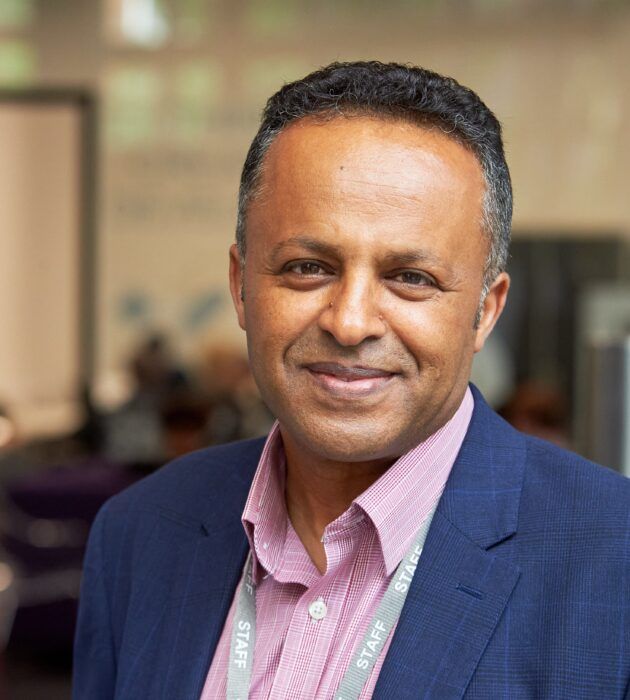
Teaching staff